Mindfulness Rituals Before Events – Show Up Mentally Strong
Reading time: 11 minutes
Three years ago, when I accompanied a client to my first gala at the Hotel Adlon in Berlin, I stood in my hotel room 45 minutes before it started and felt my pulse racing. I had the perfect dress, the right hairstyle, and I had rehearsed the right smile – and yet I did not feel ready on the inside. Today I know that mental preparation is just as important as outward appearance. Through targeted mindfulness rituals for business, I have learned to handle the tension before important appointments like a professional and to show up with inner strength.
Over the past few years I have developed a personal system that helps me be at my mental best before business dinners, art auctions or charity events. These rituals have lastingly changed my professionalism and helped me stay authentic and present even in demanding situations.
Why mental preparation is crucial in companion work
According to a 2023 study by Techniker Krankenkasse, one of Germany's largest health insurers, 64 percent of working Germans say that stress from professional obligations affects their performance. In lifestyle dating, where every appearance counts and discretion and elegance are expected, that figure is probably even higher. When I accompany a business partner to an important dinner at Tantris in Munich or am expected to make charming conversation at a wine tasting in the Rheingau, I cannot afford inner restlessness.
Mental strength at events does not only shape my presence, but also my ability to respond appropriately to the unexpected. I remember an evening in Frankfurt when the program of a company party changed spontaneously and I had to adjust to a new situation within minutes. Only because I had done my mindfulness exercises beforehand was I able to respond flexibly and with composure.
My morning meditation before important appearances
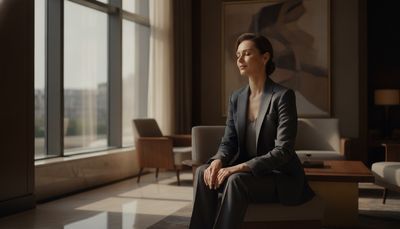
Meditation before appearances has become the most important pillar of my preparation. Just 20 minutes of silent meditation on the morning of an event makes a measurable difference. I use the Calm app, which according to the provider is used by more than 100 million people worldwide. In my hotel room or at home, I sit on a meditation cushion, close my eyes and focus on my breath.
The technique is simple: I breathe in for four seconds, hold my breath for four seconds and then breathe out for six seconds. This breathing technique, also known as box breathing, is used by elite athletes and military units. After 15 to 20 minutes, I can feel my nervous system calming down and my thoughts becoming clearer. This practice helped me stay calm and focused despite my nerves before an important appearance at an art auction at the Lempertz auction house in Cologne.
Concrete steps for morning meditation
For me, meditation always begins with the right environment. I make sure the room is well ventilated, the temperature is comfortable at around 68°F (20°C) and that I will not be disturbed. I put my phone in airplane mode. These details may seem insignificant, but they create the framework for real mindfulness.
After meditating, I write down three things I am grateful for that day. According to a 2022 study by the University of Mannheim in Germany, practicing gratitude demonstrably boosts emotional well-being by an average of 23 percent. This small act of reflection shifts my perspective and helps me start the day with positive energy.
Wellness for business travel: physical rituals for inner balance
Mindfulness does not begin in the head, but in the body. Before an important event, I deliberately treat myself to physical wellness rituals that ground me. When I travel to Hamburg for a multi-day engagement, for example, I specifically book a hotel with a spa area. The Fontenay Hamburg offers a 1,000-square-meter (about 10,800-square-foot) wellness area with a view over the Outer Alster Lake – an ideal place to arrive mentally before a business dinner.
I use the sauna for 15 minutes at 176°F (80°C), followed by a cold shower. This contrast activates the parasympathetic nervous system and reduces stress hormones. A 2023 study from the University of Jyväskylä in Finland shows that regular sauna sessions can increase stress resistance by up to 40 percent. After the sauna I feel physically relaxed and mentally alert – a perfect combination for an evening when I need to be present.
Movement as a mindfulness ritual
Movement is just as much a part of my fixed rituals. On the morning before an event, I do 30 minutes of yoga, preferably a dynamic vinyasa flow. I use videos by Mady Morrison, a German yoga teacher with more than 1.5 million YouTube subscribers. The combination of movement, breathing and concentration puts me in a state of flow in which I am completely in the moment.
Alternatively, I go for a 40-minute run when the weather allows. In Berlin I like to run along the Spree in the Tiergarten, and in Munich I prefer the English Garden. The steady movement and fresh air clear my head and give me energy for the evening. According to a 2024 survey by the German Sport University Cologne, moderate endurance training reduces perceived stress by an average of 31 percent.
Balance in companion work through emotional boundaries
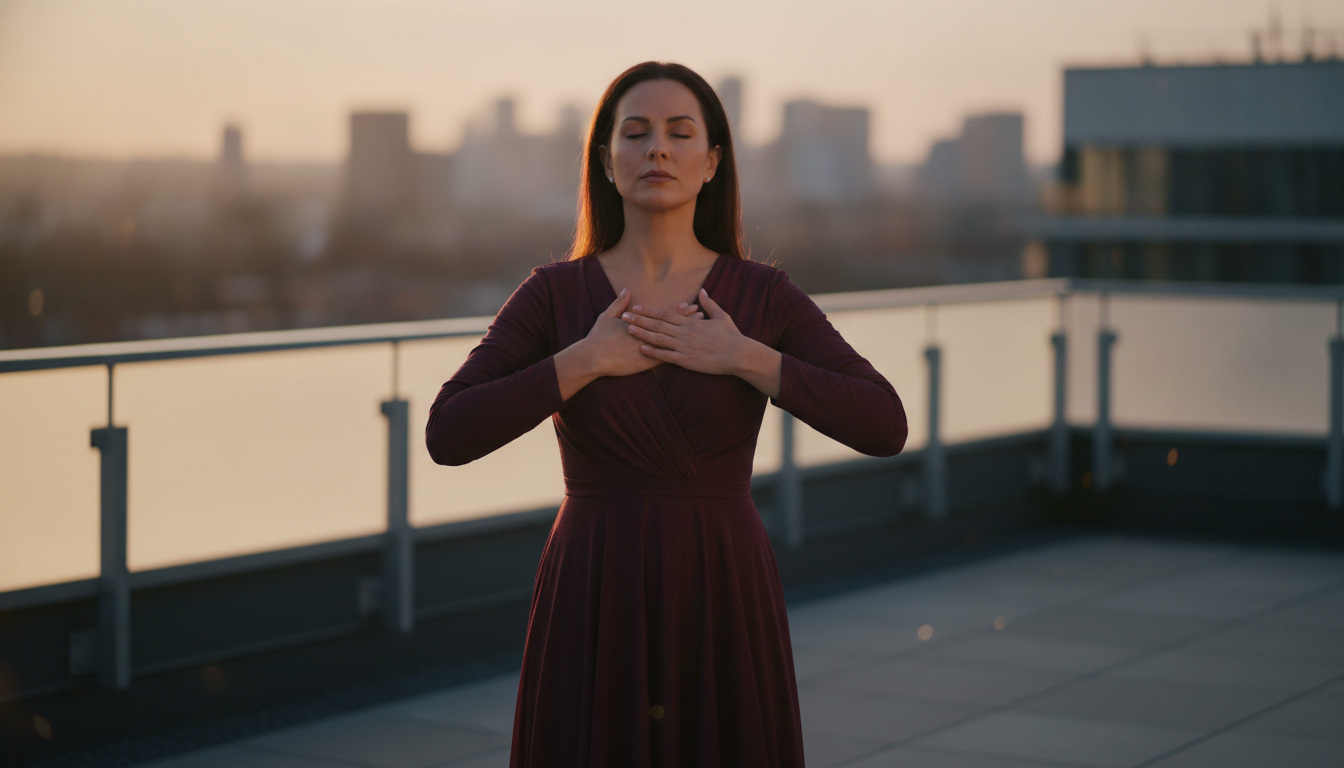
An often underestimated aspect of mental preparation is emotional boundaries. In lifestyle dating, it is important to stay professional while still coming across as authentic. I manage this balance with a small ritual: before I leave for an event, I visualize an invisible line between my private self and my professional role. I picture myself slipping on an elegant coat that protects me and at the same time lets me shine.
I adapted this technique from transactional analysis. It helps me not to take things personally in difficult moments, but to respond like a professional. When I was once confronted with unpleasant comments at an event at the Breidenbacher Hof in Düsseldorf, this mental separation helped me stay calm and resolve the situation gracefully. Similar strategies for inner strength and professionalism have helped me stay successful in companion work over the long term.
Professional stress relief: my emergency techniques
Despite the best preparation, there are moments during an event when I need to relieve stress quickly. For such situations I have developed three discreet techniques that I can use at any time without drawing attention.
- The 5-4-3-2-1 method: I silently name five things I see, four things I hear, three things I feel, two things I smell and one thing I taste. This sensory exercise brings me back to the present moment and interrupts spiraling thoughts.
- Discreet breathing exercise: I breathe in through my nose while counting to four, then breathe out through my mouth while counting to eight. This extended exhale activates the vagus nerve and calms the nervous system within 60 seconds.
- Standing body scan: During a conversation or on the way to the restroom, I scan my body from my feet to my head and consciously relax any tense areas. Often I only then notice that I have been hunching my shoulders or clenching my jaw.
- Mental anchor: I keep an image of my favorite spot on Lake Tegernsee in my mind, which I return to mentally in stressful moments. This visualization takes only 10 seconds, yet it immediately gives me a sense of calm.
The role of nutrition and hydration
Mental strength also starts with the right nutrition. On the day of an important event, I make sure to keep my blood sugar stable. I have a protein-rich breakfast of scrambled eggs, avocado and whole-grain bread, but avoid heavy meals in the afternoon. According to the German Nutrition Society, blood sugar levels directly affect cognitive performance and emotional stability.
Two hours before an event I drink plenty of water – at least 500 milliliters (about 17 ounces) – to prevent dehydration, which demonstrably impairs concentration and mood. I consume caffeine only in moderation, at most one cup of coffee in the morning, since too much caffeine makes me feel restless. At a wine tasting in the Rheingau, it was especially important to me to stay mentally clear, so I skipped caffeine entirely that day.
How journaling gives me clarity
Journaling is another mindfulness ritual for business that I have practiced for two years. Every morning I write by hand for ten minutes without censoring myself. This practice, also called morning pages and popularized by author Julia Cameron, helps me sort my thoughts and release emotional blocks.
On the evening after an event, I reflect in writing: What went well? What could I do differently next time? Which situations challenged me? This reflection is not an end in itself, but a tool for continuous improvement. According to a 2023 study by the University of Rochester, regular journaling improves emotional intelligence by an average of 18 percent within three months.
Concrete journaling prompts for business events
For my reflection I use specific questions that help me gain deeper insight. Before an event I write: What is my intention for tonight? How do I want to feel? What do I need to be authentic? After the event I ask myself: Which moment touched me most today? Where was I completely myself? What threw me off balance? These questions create awareness and help me be better prepared for future occasions.
The importance of sleep and recovery
No mindfulness ritual, however refined, can make up for a lack of sleep. I make sure to sleep at least seven hours the night before an important event. A 2023 study from Charité Berlin shows that sleep deprivation reduces stress resilience by up to 50 percent and significantly impairs the ability to regulate emotions.
When I travel for a multi-day engagement, I deliberately plan recovery time. After a demanding evening, I give myself time the next morning instead of rushing straight into the next commitment. These breaks are essential for staying professional and balanced in companion work over the long term. The right hotel choice for discreet business arrangements plays an important role here, because a quiet, comfortable room makes the difference between restful sleep and a restless night.
Long-term mindfulness practice for lasting mental strength
The rituals described here work best when they are not only used occasionally before events but become part of everyday life. I have meditated daily for three years, at least 15 minutes in the morning. This consistency has lastingly changed my baseline calm. Even in challenging situations, I find my way back to my center more quickly.
In addition, I attend a mindfulness seminar or retreat once per quarter. I spent my most recent retreat at the Benediktushof in Holzkirchen, a center for meditation and mindfulness founded by Willigis Jäger. Such intensive phases of practice deepen my understanding and give me fresh impulses for everyday life.
Frequently asked questions about mindfulness rituals in a business context
How much time do I need each day for effective mindfulness rituals for business?
Just 20 to 30 minutes a day is enough for noticeable effects. I recommend starting with ten minutes of meditation in the morning and gradually building up the practice. Consistency matters more than duration – ten minutes every day is more effective than one hour once a week.
Which meditation techniques are best for meditation before appearances?
Breath meditation and body scan meditations have proven especially effective for me. Both techniques calm the nervous system and improve body awareness. Apps such as Headspace or Calm offer guided meditations designed specifically for stress reduction and focus. I use the German-language version of Balloon, which offers programs aimed at professional challenges.
How can I use wellness for business travel to improve my mental balance?
Deliberately plan hotels with wellness areas and actually use them. Book a massage on the day of arrival or treat yourself to a yoga session in the hotel studio in the morning. Many business hotels now offer mindfulness programs. The Brenners Park-Hotel in Baden-Baden, for example, has a comprehensive spa offering with meditation and relaxation classes.
What are effective techniques for professional stress relief during an event?
The discreet breathing technique with an extended exhale is my favorite, since it is inconspicuous and works immediately. The 5-4-3-2-1 method helps with acute overwhelm. It is important to practice these techniques beforehand so you can call on them when it matters. A short trip to the restroom can also give you a legitimate break to re-center yourself.
How do I find the right balance in companion work between professionalism and authenticity?
This balance comes from clear inner boundaries and self-reflection. Before every event, visualize your professional role without denying your authentic self. Journaling helps you figure out which situations challenge you and where you feel comfortable. Authenticity does not mean revealing everything, but being present and honest in the role you have chosen.
My conclusion: mindfulness as the foundation of professional excellence
Mindfulness rituals for business are more than preparation for individual events for me – they have become the foundation of my professional excellence. Through daily meditation, conscious body work, journaling and emotional boundaries, I have learned to stay mentally strong and authentic even in demanding situations. The investment of 30 minutes a day pays off in the form of inner calm, clarity and presence.
If you want to improve your mental strength at events, start with one small ritual and build it up gradually. You do not need a perfect practice, just the willingness to consciously take time for yourself every day. The results will show not only in how you present yourself professionally, but in your quality of life as a whole. I encourage you to start today – with ten minutes of meditation, one conscious breath or three things you are grateful for.